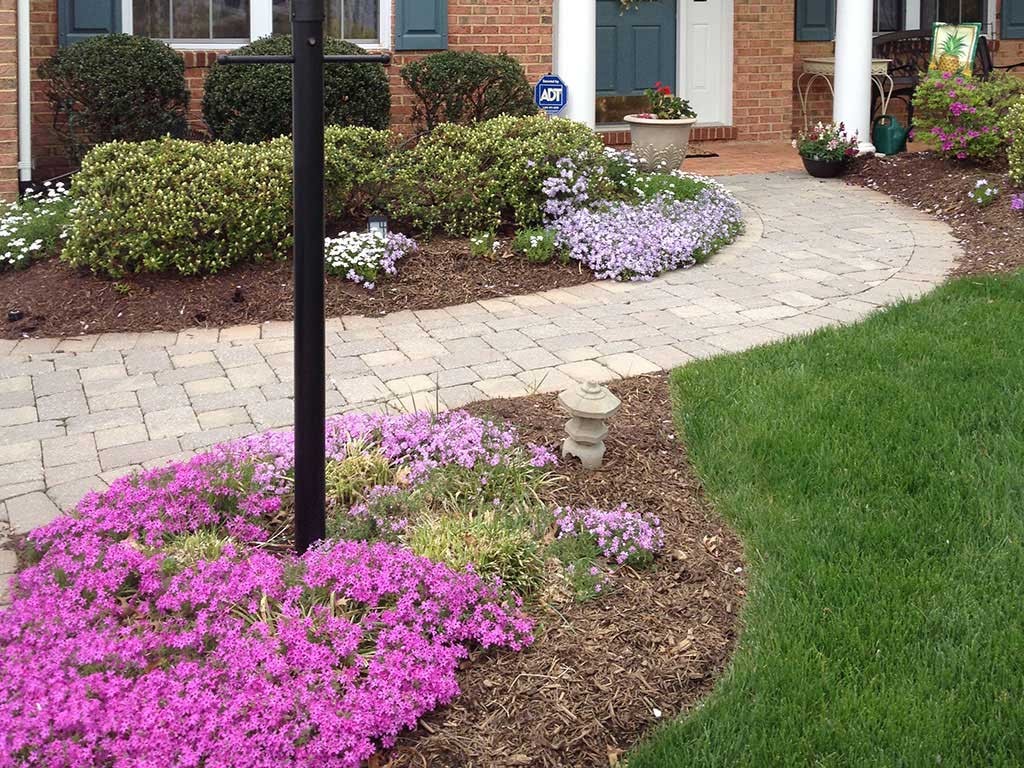
The front of the house looks tired
Overgrown shrubs, weak bed lines and mismatched plants can hide the architecture. A focused front-yard renovation can restore curb appeal without rebuilding the entire property.
 Let’s talk ↗
Landscape design & installation · Hampton Roads, VA
We design and install planting, beds, lawns and outdoor features that fit your property, your taste and the amount of upkeep you actually want.
Landscape design and installation
A successful landscape is not a shopping list of plants. It is a plan for how people move through the yard, what they see from the street and windows, where water goes, and how the planting will look after it grows in.
Commonwealth Landscaping handles renovations, new installations and phased improvements across Suffolk, Chesapeake, Portsmouth and Newport News. We assess sun, shade, drainage, existing trees, access and maintenance expectations before recommending a layout. That work produces a cleaner design, better plant placement and fewer expensive corrections later.
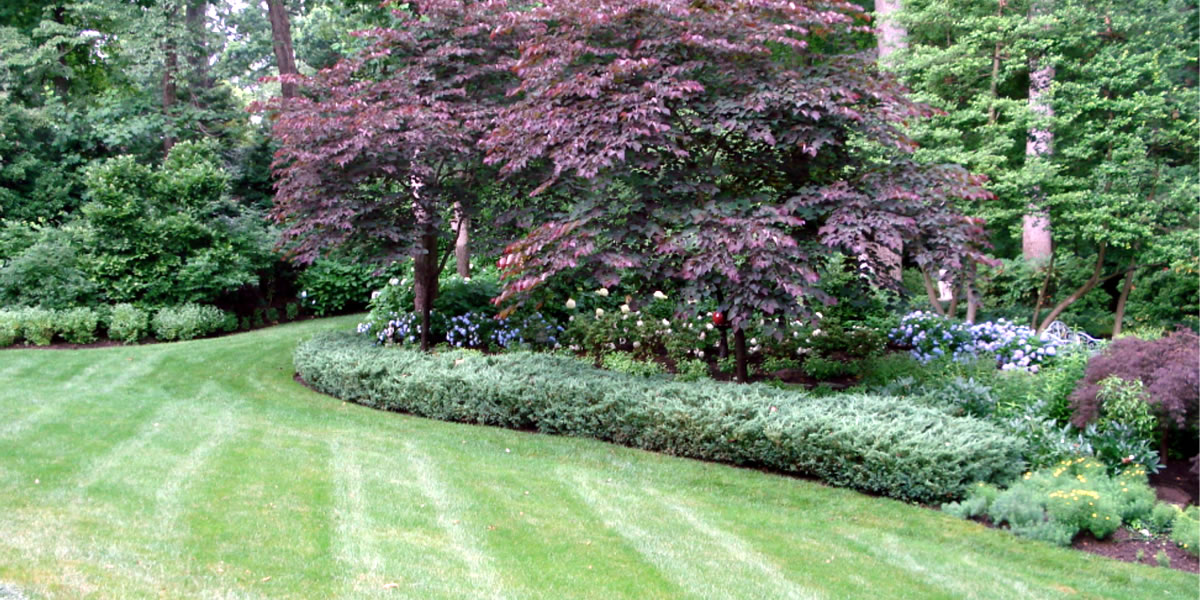
An older landscape does not always need to be stripped bare. Healthy plants, mature trees and sound hardscape can often become the backbone of a smarter renovation.
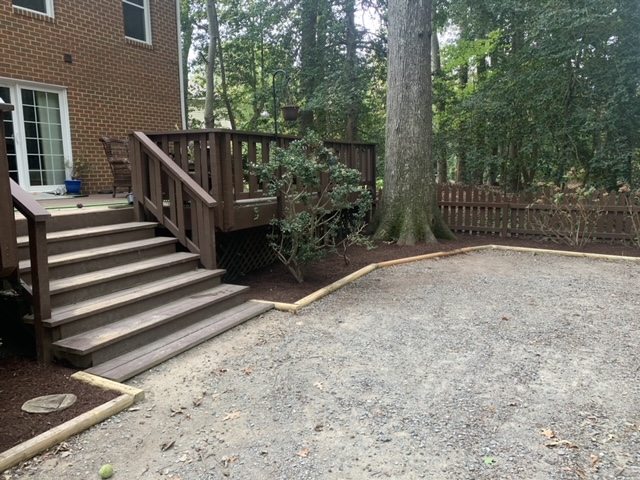
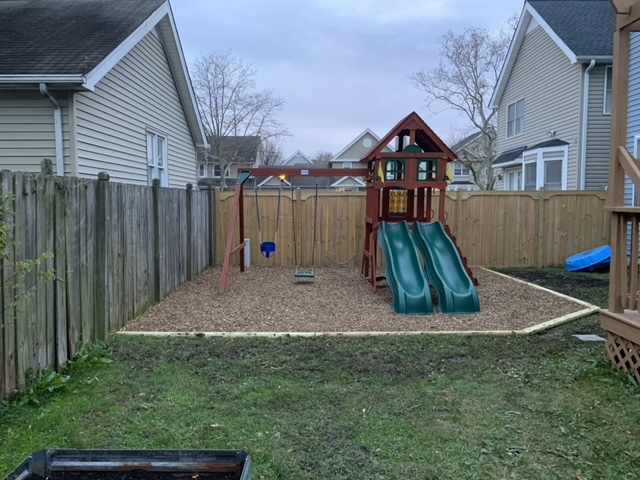
Find your starting point
Choose the closest match. You will see what we would want to review during the first property visit.
A sensible first look
We will review the view from the street, entry sequence, bed proportions, mature plant size and anything hiding the architecture.
Tell us which front-yard areas feel dated, empty or overgrown.
Selective removal, reshaped beds, soil preparation and new planting can make an established property feel current again while retaining the features worth keeping.
Best for: overgrown, dated or disconnected landscapesTrees, shrubs, perennials and groundcovers are arranged for scale, seasonal interest and site conditions, then installed with the preparation needed for healthy establishment.
Best for: new homes, bare yards and major additionsWe frame the home, preserve access to windows and utilities, and choose plants that will not overwhelm walks, porches or entry details as they mature.
Best for: front entries and street-facing bedsLayered planting can soften a fence, reduce an unwanted view and add year-round structure without turning the property line into a dense wall of one species.
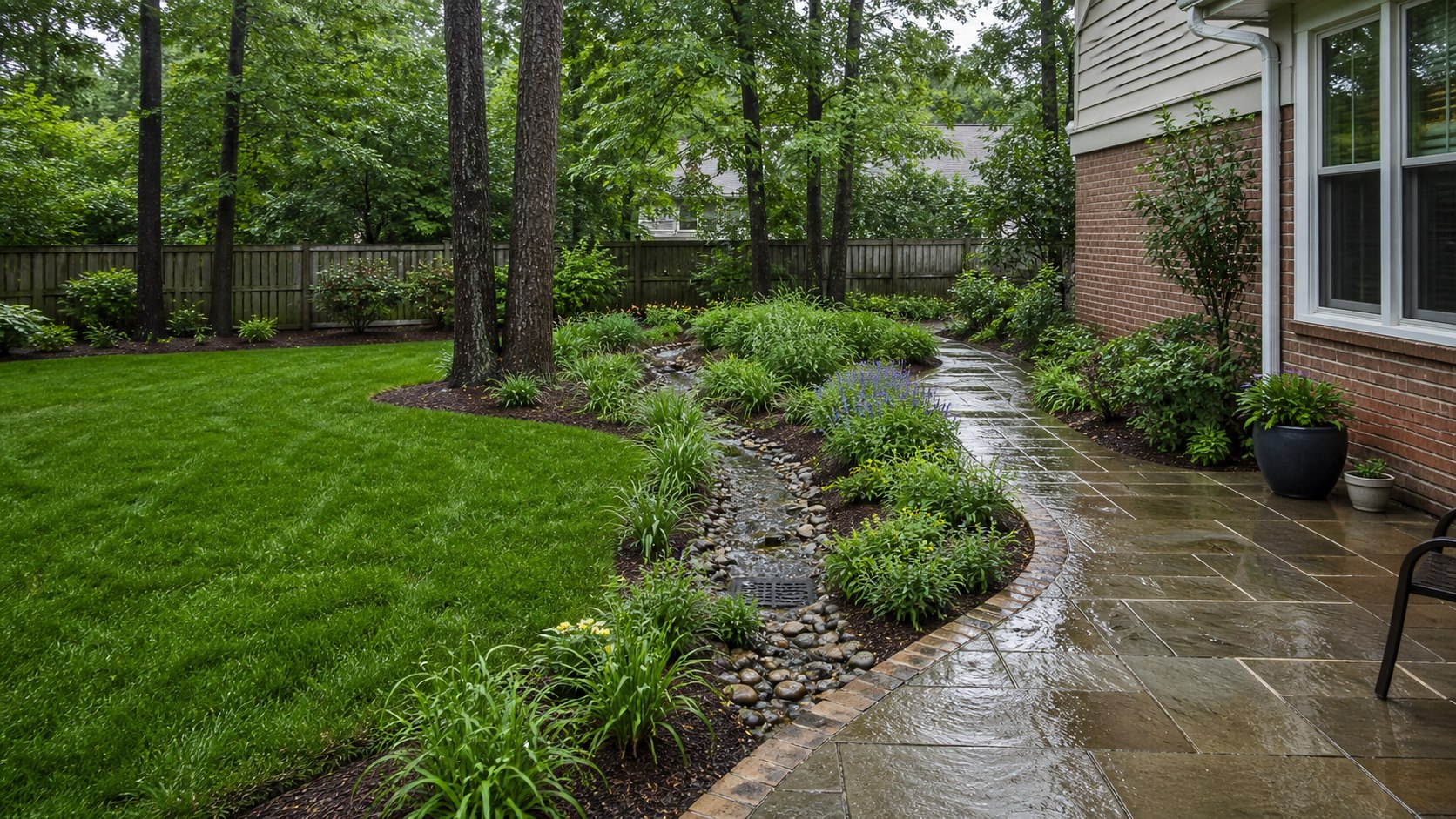
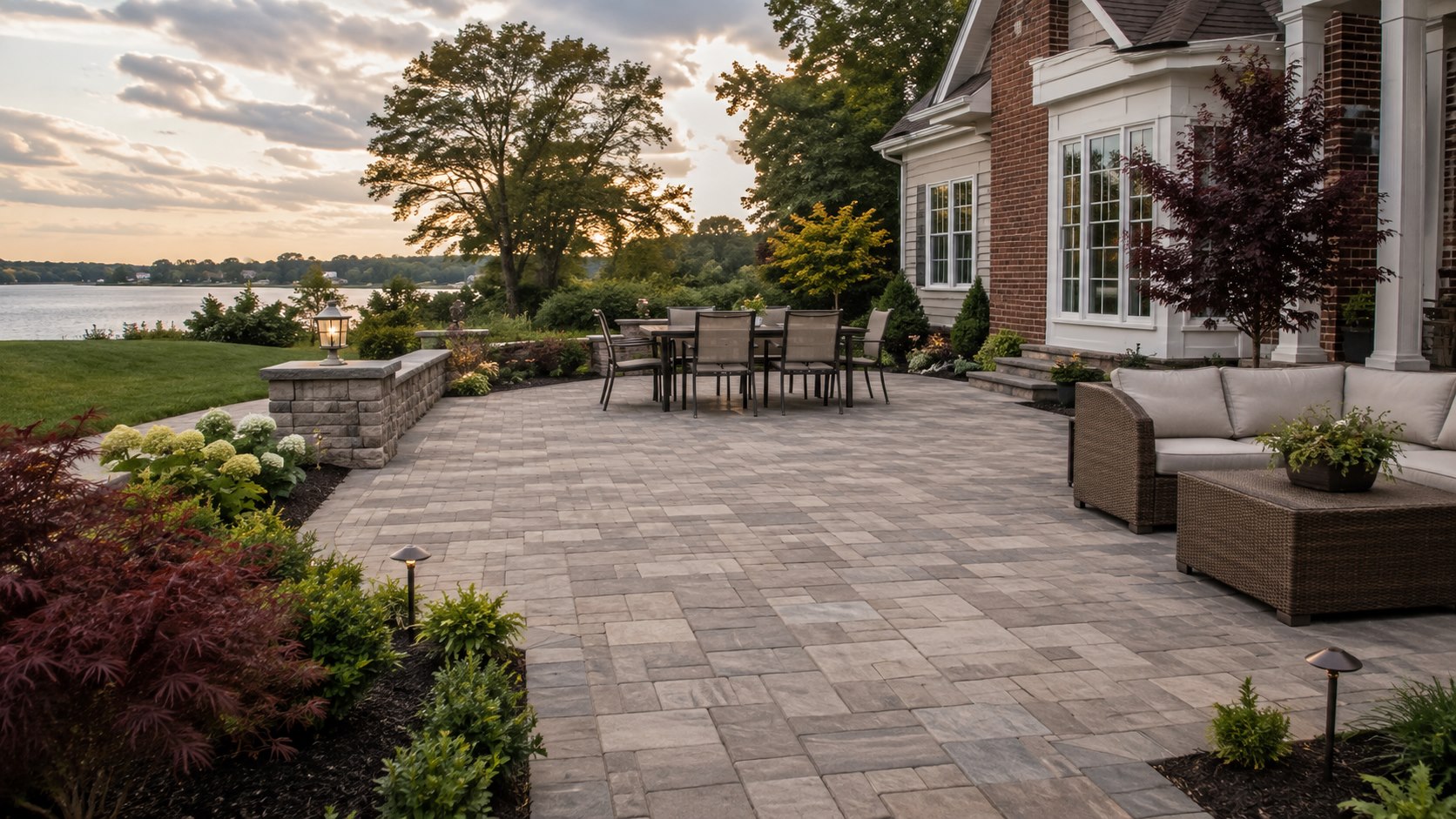
Best for: patios, side yards and exposed lotsPlanting, lighting, drainage, patios and walks are planned together so doors, furniture, sightlines and future additions have room to work.
Best for: patios, pool areas and complete backyardsWe establish priorities and construction order so a larger vision can be completed responsibly over time instead of becoming a series of unrelated projects.
Best for: multi-season or budget-phased improvementsMorning sun, reflected afternoon heat and deep shade create very different planting conditions—even on the same side of a house.
We look for low areas, roof runoff, compacted ground and beds that stay wet or dry out quickly before deciding what belongs there.
Spacing is based on where plants are going, how large they become and what must remain accessible—not how empty the bed looks on installation day.
Evergreen form, foliage, branching and hardscape keep a landscape composed when nothing is in bloom.
Formal hedges, flowering perennials and naturalistic plantings require different kinds of care. The plan should match your expectations.
Drainage, grading and hardscape generally come before finish planting so new work is not disturbed by the next phase.
We discuss what you like, what is not working, how the yard is used and which conditions will shape the project.
We define priorities, layout, plant character, materials, budget and whether the work should happen at once or in phases.
Removal, grading, soil work, hardscape and planting are sequenced so the visible finish is supported by sound preparation.
We walk the work with you and cover establishment watering, early care and any ongoing maintenance needs.
Practical answers
Straight answers to the questions we hear most often. Advice for your property starts with an on-site evaluation.
Yes. We first identify healthy plants, trees and hardscape that still work. A good renovation uses those assets where possible, removes what is failing or badly placed, and builds a more coherent plan around what remains.
Yes. Plant selection is based on the look you want and the conditions on the property, including sunlight, soil moisture, drainage, mature size and expected maintenance. We will also discuss seasonal interest and how the planting relates to the house.
They should be planned before final planting locations are set. Drainage and grading often happen first, while patios and walks establish finished elevations and bed shapes. Coordinating them early helps prevent rework.
Yes. Phasing is often a smart way to manage budget and disruption. We establish the long-term layout, then sequence underground work, access, hardscape and planting so later phases do not damage earlier ones.
New plants need consistent establishment watering and observation, even when they are well matched to the site. At the final walk-through, we explain the immediate care priorities and can discuss an ongoing maintenance plan when appropriate.
Explore more
Local service coverage
Explore city-specific planning considerations and request a property evaluation in your community.
Free on-site evaluation
Send the property location, the area you want to improve and a short description of the result you have in mind. We will arrange a free on-site evaluation.
(757) 839-4911info@commonwealth-landscape.com